
















As Phase 2 of Awaab's Law is due to come into force in November 2026, social housing providers face increasing pressure to demonstrate a proactive approach to maintaining healthy homes, including managing the risk of excess cold and excess heat before hazards escalate. For many landlords, this makes practical, property-level temperature control an important part of wider preventative maintenance planning.
While phase one focused on damp and mould hazards that present a significant risk of harm to tenants, Phase 2 widens the scope to include excess cold and excess heat, reinforcing the need to identify and remedy housing hazards within prescribed timescales[1].
Rather than relying solely on reactive repairs, landlords may benefit from investing in measures that help reduce the likelihood of hazards developing in the first place. Alongside adequate ventilation and moisture control, maintaining appropriate temperatures can help reduce condensation and the conditions associated with damp and mould.[2]
A preventative approach to healthier homes
The Honeywell Home evohome smart zoning heating system may offer housing providers a practical way to support more consistent temperature management across the home.
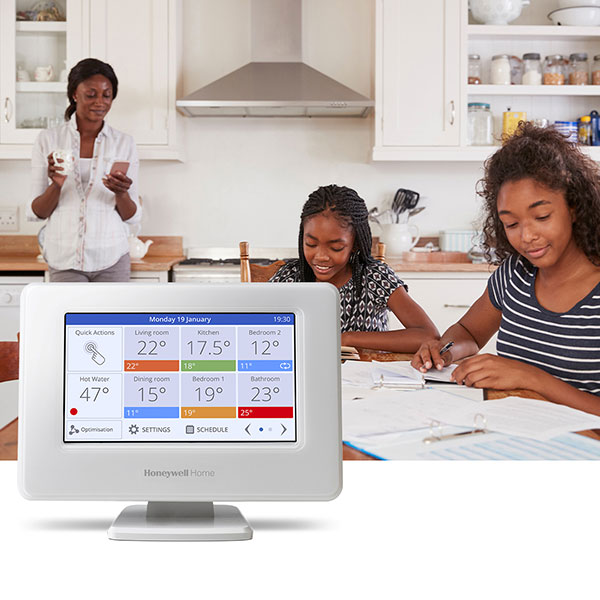
Unlike conventional heating systems that heat a property as a single zone, evohome enables the temperature in individual rooms to be monitored and controlled independently through smart radiator controllers and zoned heating technology.
This room-by-room approach can help maintain appropriate temperatures throughout a property and reduce the risk of individual rooms becoming excessively cold, which may help limit conditions associated with condensation.2
For housing providers seeking to strengthen preventative maintenance strategies, smart heating controls may form part of a wider approach to supporting consistent heating and temperature visibility, resident comfort and healthier home environments.
The Honeywell Home evohome smart heating control gives residents greater flexibility over how they heat their homes, as they can heat only the rooms they are actively using. Living rooms, bedrooms and kitchens can be scheduled independently to suit individual routines and lifestyles.
Guidance generally recommends temperatures of between 19-22°C in living areas, including kitchens and bathrooms, and 16-20°C in bedrooms while occupied. This can rise to 23°C in children’s bedrooms.[3]
The evohome smart heating system can be managed via the in-home heating controller, through a smartphone or tablet app, and through compatible smart home technologies, allowing users to adjust settings as their schedules change.
This level of control can improve comfort while helping residents better understand and manage their household energy use..
A practical retrofit solution
Designed for existing radiators, evohome provides a practical retrofit zoning solution that can create up to 12 independent heating zones plus one hot water zone, without the need for extensive alterations to pipework. As well as offering residents’ control over comfort, evohome is Building Regulations Part L compliant and is listed on the Product Characteristics Database (PCDB), providing recognised SAP point uplift opportunities that may help improve a property's EPC rating through Time and Temperature Zone Control (TTZC) measures.
Unlike some connected home technologies, the Honeywell Home evohome system does not rely on WiFi to operate. evohome communicates using its own dedicated frequency, meaning heating schedules and room-by-room control continue to function without an internet connection; WiFi is only required for remote access via the app. This can make evohome particularly suitable for a wide range of social housing properties where broadband availability or connectivity may vary.
By combining room-by-room temperature control, retrofit suitability and recognised SAP point uplift opportunities, evohome offers social housing providers a practical way to support preventative housing strategies and healthier homes.
To discuss how smart zoned heating could support your approach to excess cold, retrofit planning and healthier homes, visit resideo.com/evohome or meet us at ASCP26, 8-9 September.
Image © Resideo
References
1 https://www.gov.uk/government/publications/awaabs-law-guidance-for-social-landlords/awaabs-law-guidance-for-social-landlords-timeframes-for-repairs-in-the-social-rented-sector / https://england.shelter.org.uk/professional_resources/news_and_updates/how_awaabs_law_changes_the_rules_on_hazards_in_social_housing
2 https://www.cse.org.uk/advice/condensation-damp-and-mould/
3 https://www.west-lindsey.gov.uk/housing-homelessness/private-sector-housing/tenant-damp-mould-guide/managing-damp-mould-your-home
- Log in to post comments